When a country develops its technology, the traditional skills and ways of life die out. It is pointless to try and keep them alive.To what extent do you agree or disagree with this opinion?
Sample Answer
When digital enhancement is high on a government’s agenda, characterized by unrelenting technological strides attainable in recent decades, the natural outcome is the gradual obsolescence of entrenched traditional skills and livelihoods. This aspect of cultural heritage erosion has prompted many concerned individuals to raise questions regarding the feasibility and viability of preservation. While acknowledging the valid reasons behind this pessimism, I do not share this view.
Advocates of abolishing ingrained cultural legacies underscore the insurmountable financial constraints concerning their upkeep. Preserving traditional skills, cultures, and customs native to a specific community, they argue, can necessitate practical hindrances and budgetary distribution concerns. These obstacles are particularly pronounced in underdeveloped and developing parts of the world, where budgets are already stretched thin due to a multitude of conflicting economic priorities. In these countries, prioritising expenditure towards the preservation of long-standing cultural heritage, such as local tongues, livelihoods of minor communities, and traditional shanties and dirges, can engender overfunding in heritage preservation, potentially leading to underfunding in equally critical areas of the economy, including education, healthcare, and infrastructure development.
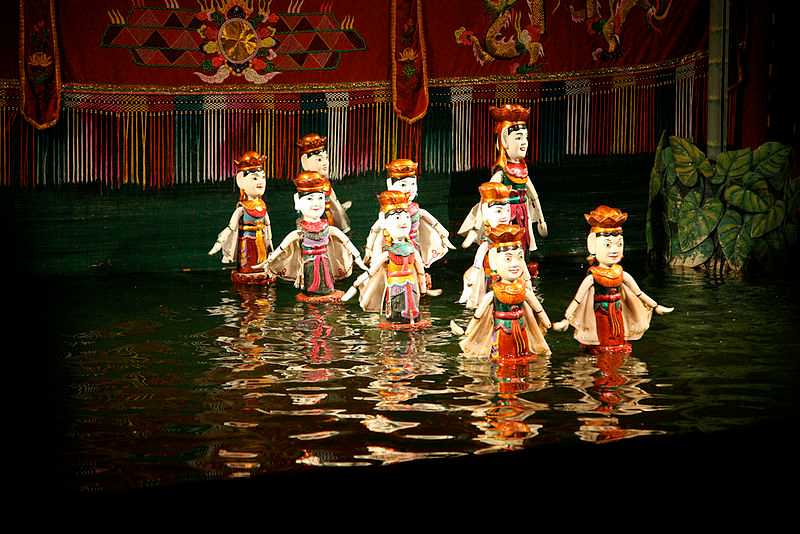
Nonetheless, this argument risks undermining the paramount importance of cultural identity in increasingly digitalised societies. The aforementioned concern, albeit valid, can be effectively remedied through strategic budgetary reallocations, meaning that countries with differing economic status quo are advised to re-evaluate their priorities based on unique socio-economic circumstances and adjust state investitures accordingly. To bolster my argument, traditional skills and ways of life have invariably been intangible assets of a country, yet serve as tangible links to bygone eras, elucidating a country’s compatriots in terms of its unique narratives, traditions, and individual perspectives. Granted, Artificial Intelligence (AI) can generate realistic-looking images, yet these cannot replicate the intricacy and meticulousness of traditional hand-painted water-coloured masterpieces. Drawing a parallel, despite the uniformity and high quality of mass-produced consumer items, these commercially made products cannot rival hand-stitched Vietnamese conical hats or manually embroidered fabrics of the minorities in Sapa. These are just a few among countless traditional livelihoods and skills that should be carried forth to embody cultural heritage and historical legacy.
In conclusion, while there are valid financial arguments supporting the inevitable erosion of traditional cultural legacies, these can be rectified by a structured framework encompassing strategic budgetary allocations. In my view, notwithstanding relentless digital development, traditional skills and ways of life would persist, continuing their relevance and adapting to survive in this evolving world. This is because they symbolise non-yielding historical attributes and perpetuating cultural identity.
Vocabulary
- digital enhancement → cải tiến kỹ thuật số
- unrelenting technological strides → bước tiến công nghệ không ngừng
- gradual obsolescence → sự lỗi thời dần dần
- entrenched traditional skills → kỹ năng truyền thống ăn sâu
- cultural heritage erosion → sự mai một di sản văn hoá
- feasibility / viability of preservation → tính khả thi / tính sống còn của việc bảo tồn
- ingrained cultural legacies → di sản văn hoá ăn sâu
- insurmountable financial constraints → hạn chế tài chính không thể vượt qua
- practical hindrances → trở ngại thực tiễn
- budgetary distribution concerns → lo ngại phân bổ ngân sách
- underdeveloped and developing parts of the world → các khu vực kém phát triển và đang phát triển
- multitude of conflicting economic priorities → vô số ưu tiên kinh tế mâu thuẫn
- prioritising expenditure → ưu tiên chi tiêu
- long-standing cultural heritage → di sản văn hoá lâu đời
- overfunding in heritage preservation → cấp vốn quá mức cho bảo tồn di sản
- underfunding in equally critical areas → thiếu vốn ở các lĩnh vực quan trọng tương tự
- education, healthcare, and infrastructure development → giáo dục, y tế và phát triển hạ tầng
- paramount importance of cultural identity → tầm quan trọng tối thượng của bản sắc văn hoá
- digitalised societies → xã hội số hoá
- strategic budgetary reallocations → tái phân bổ ngân sách chiến lược
- economic status quo → hiện trạng kinh tế
- re-evaluate their priorities → đánh giá lại các ưu tiên
- state investitures accordingly → đầu tư của nhà nước phù hợp
- intangible assets of a country → tài sản vô hình của một quốc gia
- tangible links to bygone eras → mối liên kết hữu hình với thời kỳ đã qua
- unique narratives, traditions, and individual perspectives → câu chuyện, truyền thống và góc nhìn độc đáo
- realistic-looking images → hình ảnh trông thực tế
- intricacy and meticulousness → sự tinh xảo và tỉ mỉ
- traditional hand-painted water-coloured masterpieces → kiệt tác tranh màu nước vẽ tay truyền thống
- uniformity and high quality of mass-produced consumer items → tính đồng nhất và chất lượng cao của hàng tiêu dùng sản xuất hàng loạt
- hand-stitched Vietnamese conical hats → nón lá Việt Nam khâu tay
- manually embroidered fabrics of the minorities in Sapa → vải thêu thủ công của đồng bào dân tộc ở Sapa
- countless traditional livelihoods and skills → vô số nghề và kỹ năng truyền thống
- cultural heritage and historical legacy → di sản văn hoá và di sản lịch sử
- financial arguments → lập luận tài chính