
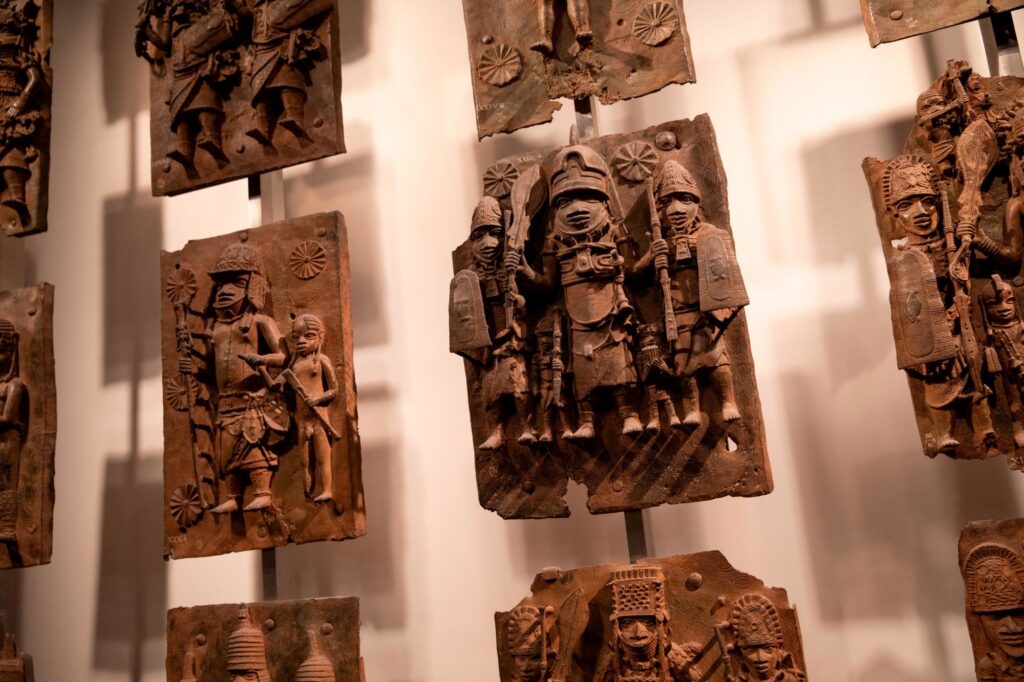
Historical object should be brought back to their country of origin. To what extent do you agree or disagree?
Sample Answer
It has been widely argued that items of historical significance should be returned to their native country. While there are valid arguments supporting this viewpoint, the actual execution of such a proposal is easier said than done due to practical constraints.
Proponents of repatriation point to cultural groundings as legitimate justifications. Returning historically important objects, they say, symbolically serves as a gesture of cultural respect, contributing to strengthening the ties between the sender and recipient. Culturally, following repatriation, countries on the receiving end can eventually fill in the missing pieces of their cultural narratives and legacies, since the object can serve as a tangible link to bygone eras. In tandem with this, there is also a diplomatic reason underscoring repatriation efforts. Returning objects of cultural richness can, to some degree, mend diplomatic relationships and pave the way for future harmonious collaboration.
While acknowledging the valid reasoning behind such efforts, overseas object-returning can engender substantial logistical challenges. First and foremost, it may be difficult to decide clearly regarding the rights to possession due to reasons such as historical conflicts of ownership, theft, and authenticity. For example, certain objects originally belonged to Indian people might have been stolen by the British following the latter’s colonialism. By the same token, during the American invasion, numerous historical items of Vietnamese people may have been taken away to America and vice versa. To this end, investigation on authenticity may entail stringent paperwork and lengthy bureaucratic procedure, and given that, conflicts may still arise. To make matters worse, overseas repatriation can encounter preservation issues, as evidenced in the transportation of excavated mummified corpses from various archeological sites to Egypt. Such logistical constraints therefore make this endeavour not just cumbersome but also financially non-appealing to country leaders.
In conclusion, while there are legitimate cultural and diplomatic justifications for historical object repatriation, the practical application of this concept is likely to face ownership conflicts, originality ambiguity, and logistical setbacks, thereby making this proposal a decidedly impractical one.
Vocabulary
| historical significance | ý nghĩa lịch sử |
| valid arguments | lập luận hợp lý |
| easier said than done | nói thì dễ, làm thì khó |
| practical constraints | hạn chế thực tiễn |
| repatriation | hồi hương / trả về nước |
| cultural groundings | nền tảng văn hóa |
| legitimate justifications | lý do chính đáng |
| historically important objects | hiện vật lịch sử quan trọng |
| gesture of cultural respect | hành động tôn trọng văn hóa |
| strengthening the ties | củng cố mối quan hệ |
| fill in the missing pieces | lấp đầy phần còn thiếu |
| cultural narratives and legacies | câu chuyện và di sản văn hóa |
| tangible link to bygone eras | mối liên kết hữu hình với thời đã qua |
| diplomatic reason underscoring | lý do ngoại giao nhấn mạnh |
| cultural richness | sự phong phú văn hóa |
| mend diplomatic relationships | hàn gắn quan hệ ngoại giao |
| pave the way for future harmonious collaboration | mở đường cho hợp tác hài hòa trong tương lai |
| valid reasoning | lập luận hợp lý |
| engender substantial logistical challenges | gây ra thách thức hậu cần lớn |
| rights to possession | quyền sở hữu |
| historical conflicts of ownership | xung đột lịch sử về quyền sở hữu |
| colonialism | chủ nghĩa thực dân |
| stringent paperwork | thủ tục giấy tờ nghiêm ngặt |
| lengthy bureaucratic procedure | thủ tục hành chính dài dòng |
| preservation issues | vấn đề bảo tồn |