
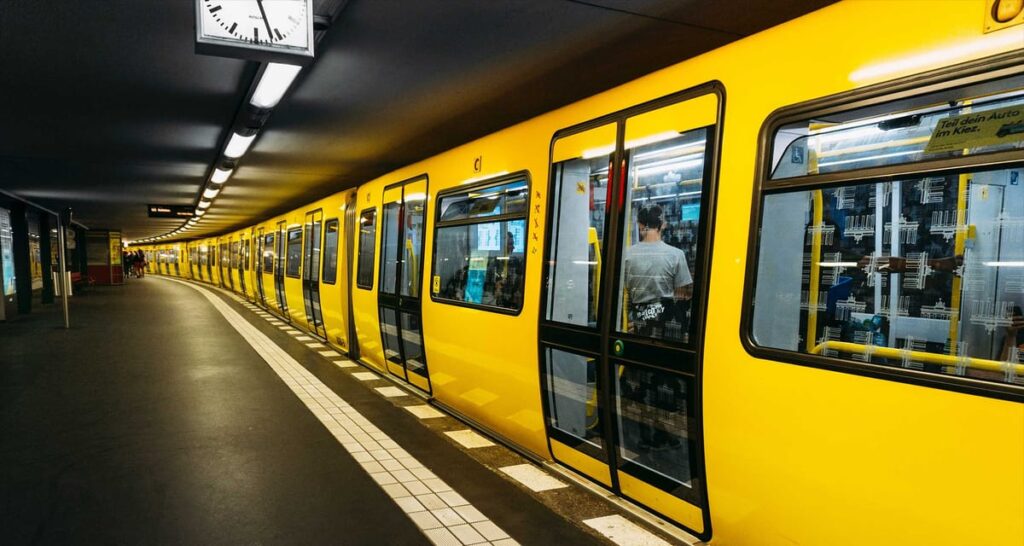
Nowadays the cost of public transport is rising rapidly. Why do you think it is happening? How can this problem be solved?
Sample Answer
Today, it is evident that the cost of using public means of transportation is skyrocketing, partly contributing to the rising living expenses in numerous countries globally. The underlying causes of this phenomenon are multifaceted; nonetheless, these can be addressed through strategic public-private partnerships.
The surge in public transit fares can be, first and foremost, attributed to rising petrol prices, likely as a concomitant result of current geopolitical tensions. Mounting conflicts among global economic powerhouses are currently disrupting the global energy supply chain, leading to scarcity in terms of fossil fuel provision. Since most public modes of transport utilise fossil fuels, such as coal, oil, or gas, such a supply scarcity drives escalating prices. In tandem with this, since an increasing number of people have transitioned from private vehicles to public means of transportation in recent years, likely as a response to growing environmentalist sentiment, the cost of staff and services for the latter has risen accordingly. The growing adoption of public transit has also resulted in increasing maintenance costs, as trains, buses, and trams require regular maintenance to ensure serviceability and operability.
However, this issue is far from insurmountable since it can be tackled through concerted efforts. From a policymaking standpoint, governments, alongside their vast resources, structured legal frameworks, and oversight authority, can subsidise public transportation at least partially. Policymakers, to this end, can adjust budgetary distribution, reallocating funding from less urgent areas of the economy, such as space exploration and advanced genetic research, towards fare subsidisation, periodic maintenance of public transport infrastructure, and staff payment. These immediate responses would likely curb escalating prices, thereby incentivising the use of public transit as an affordable means of travel. Notwithstanding this temporary measure, public-private partnership initiatives (PPPs) can effect large-scale change in the long term. If executed judiciously, governments can create incentives for businesses to invest in green technologies and sustainable modes of transport. A poignant example is the introduction of VinBus – a product from Vingroup, the largest conglomerate in Vietnam. Not only does this innovation promote environmental conservation, it also helps deflate mounting public transport prices due to its non-reliance on fossil fuels.
In conclusion, the surging cost of public transit can be ascribed to the current energy crisis, growing public adoption, and escalating maintenance costs. These issues, albeit significant, can be remedied through governments and businesses working in tandem. These involve budgetary redistribution, fare subsidisation, and investment in sustainable modes of transit.
Vocabulary
| skyrocketing | tăng vọt |
| rising living expenses | chi phí sinh hoạt tăng |
| multifaceted | đa chiều, nhiều mặt |
| strategic public-private partnerships | đối tác công-tư chiến lược |
| rising petrol prices | giá xăng dầu tăng |
| concomitant result | hệ quả đi kèm |
| mounting conflicts | xung đột leo thang |
| escalating prices | giá cả leo thang |
| growing environmentalist sentiment | xu hướng bảo vệ môi trường ngày càng tăng |
| increasing maintenance costs | chi phí bảo trì tăng |
| serviceability and operability | khả năng hoạt động |
| concerted efforts | nỗ lực phối hợp |
| subsidise public transportation | trợ giá giao thông công cộng |
| budgetary distribution | phân bổ ngân sách |
| fare subsidisation | trợ giá vé |
| curb escalating prices | kiềm chế giá leo thang |
| incentivising the use | khuyến khích sử dụng |
| public-private partnership initiatives (PPPs) | sáng kiến đối tác công-tư |
| green technologies | công nghệ xanh |
| sustainable modes of transport | phương tiện giao thông bền vững |
| environmental conservation | bảo tồn môi trường |
| deflate mounting prices | làm giảm giá leo thang |
| surging cost of public transit | chi phí giao thông công cộng tăng mạnh |
| budgetary redistribution | tái phân bổ ngân sách |