
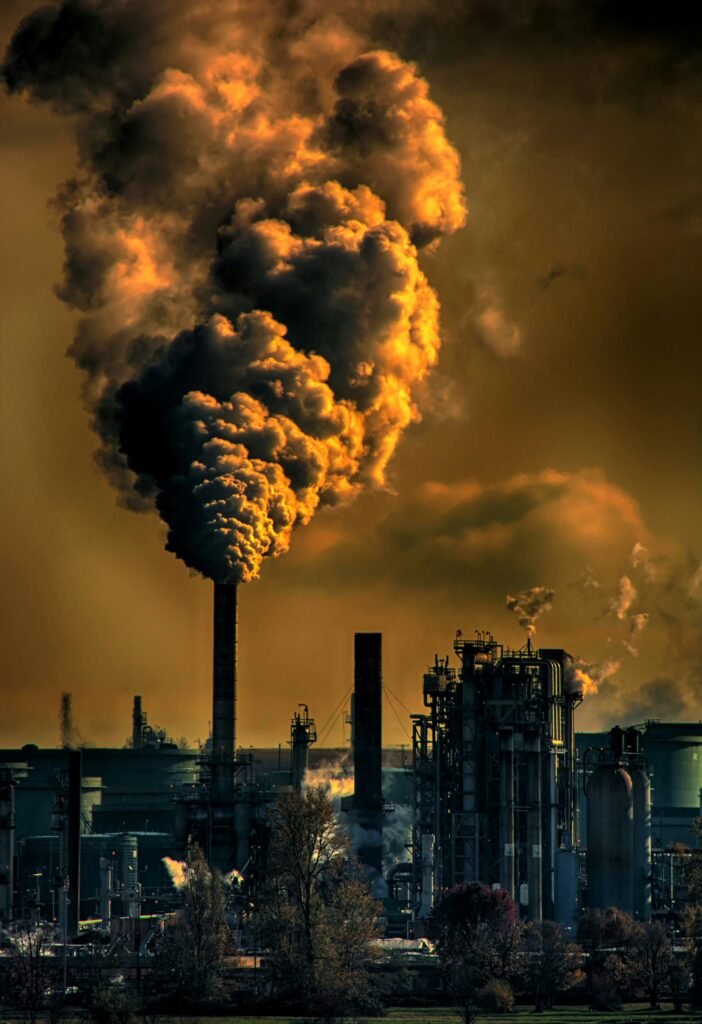
Fossil fuels, such as coal, oil and natural gas, are the main source for many countries. However, some nations are using alternative energy such as solar power and wind power. Do you think this is a positive or negative development?
Sample Answer
It is abundantly evident that carbon-intensive resources such as coal, oil, and natural gas have been the predominant power sources for many countries worldwide for numerous decades. Notwithstanding this long-standing prevalence, several nations are currently making a noticeable transition towards the adoption of renewable energy sources, such as solar power, wind power, and nuclear energy. Despite legitimate short-term drawbacks stemming from this paradigm shift in environmental awareness, the perceived long-term dividends of carbon-free energy adoption render this development a positive, when taken as a whole.
Detractors of the widespread adoption of clean energies cite numerous shortcomings of the decisive shift away from fossilised forms of power. These critics argue ardently, first and foremost, that the anticipated economic burdens in the immediate future can hardly be justified, since the operational infrastructural expenses of renewable energy generating platforms can be insurmountable, thereby potentially marginalising any potential profits if this adoption were immediately in effect. They rightly lament the exorbitant costs of installing and maintaining state-of-the-art solar power harnessing systems, cutting-edge nuclear reactors, and sophisticated windfarms, all of which may represent an instantaneous negative return on investment, not to mention possible logistical challenges, bureaucratic obstacles, and opposing public attitudes. The situation can further be exacerbated since this drastic shift in ecological protection may mean consumer behaviour alteration due to prolonged familiarity with fossil fuels. To make matters worse, not only would this change necessitate an unprecedented shift in consumer attitude, it could also hurt business profitability, especially those who have formerly relied on carbon-intensive sources, such as enterprises in the oil and petroleum industries.
Nevertheless, in the long-term lookahead, the environmental merits are undoubtedly clear. Alternative energy sources, by principle, do not rely on the extraction of fossils, minerals, and ground-based metals, which can contribute substantially to the marked reduction of natural resource depletion – an issue that has gained visible traction within the international community regarding ecological preservation. Beyond this, non-carbon energies are associated with no emissions, thus considerably lowering the global environmental footprint and ameliorating the impact of climate change – one of the most heated contemporary global issues. In addition to these self-evident advantages, the aforementioned short-term demerits are also far from insurmountable. As soon as businesses adopt renewables, they can almost immediately gain public trust, and so do prominent politicians as far as popular support is concerned. The underlying reason for this is evidently the growing public sentiment in favour of environmentalism nowadays. Over an extended period, the adoption of sustainable energy can tip the balance sheet towards profitability since firmly established infrastructure eliminates the demand for extraction and transportation of fossil fuels. Lastly, educational awareness campaigns can be proliferated to disseminate the irreversible damage of fossil fuels and simultaneously the pioneering implications of renewables. This will in turn sway the public towards welcome adoption, making this a net positive in the future.
In conclusion, while I acknowledge the short-term impacts related to temporary loss of profitability, institutional adoption obstacles, and public opposition, these issues can be solved by targeted educational incentives and growing environmental sentiment. Far from being a liability, renewable adoption can usher in an environmentally friendly future of lower emissions and increased ecology-oriented mindset.
Vocabulary
| carbon-intensive resources | nguồn tài nguyên phát thải carbon cao |
| renewable energy sources | nguồn năng lượng tái tạo |
| paradigm shift in environmental awareness | sự thay đổi mô hình trong nhận thức môi trường |
| carbon-free energy adoption | việc áp dụng năng lượng không carbon |
| fossilised forms of power | dạng năng lượng hóa thạch |
| economic burdens | gánh nặng kinh tế |
| operational infrastructural expenses | chi phí vận hành cơ sở hạ tầng |
| marginalising any potential profits | làm giảm lợi nhuận tiềm năng |
| exorbitant costs | chi phí cắt cổ |
| state-of-the-art solar power harnessing systems | hệ thống năng lượng mặt trời hiện đại |
| cutting-edge nuclear reactors | lò phản ứng hạt nhân tiên tiến |
| sophisticated windfarms | trang trại gió tinh vi |
| logistical challenges | thách thức hậu cần |
| bureaucratic obstacles | rào cản quan liêu |
| opposing public attitudes | thái độ phản đối của công chúng |
| consumer behaviour alteration | sự thay đổi hành vi tiêu dùng |
| environmental merits | lợi ích môi trường |
| natural resource depletion | sự cạn kiệt tài nguyên thiên nhiên |
| ecological preservation | bảo tồn sinh thái |
| public sentiment in favour of environmentalism | dư luận ủng hộ chủ nghĩa môi trường |
| educational awareness campaigns | chiến dịch nâng cao nhận thức giáo dục |
| institutional adoption obstacles | rào cản trong việc áp dụng ở cấp thể chế |
| lower emissions | giảm khí thải |
| ecology-oriented mindset | tư duy hướng tới sinh thái |