Space travel has been possible for some time and some people claim that space tourism could be developed in the future. Do you think it is a positive or negative development?
Sample Answer
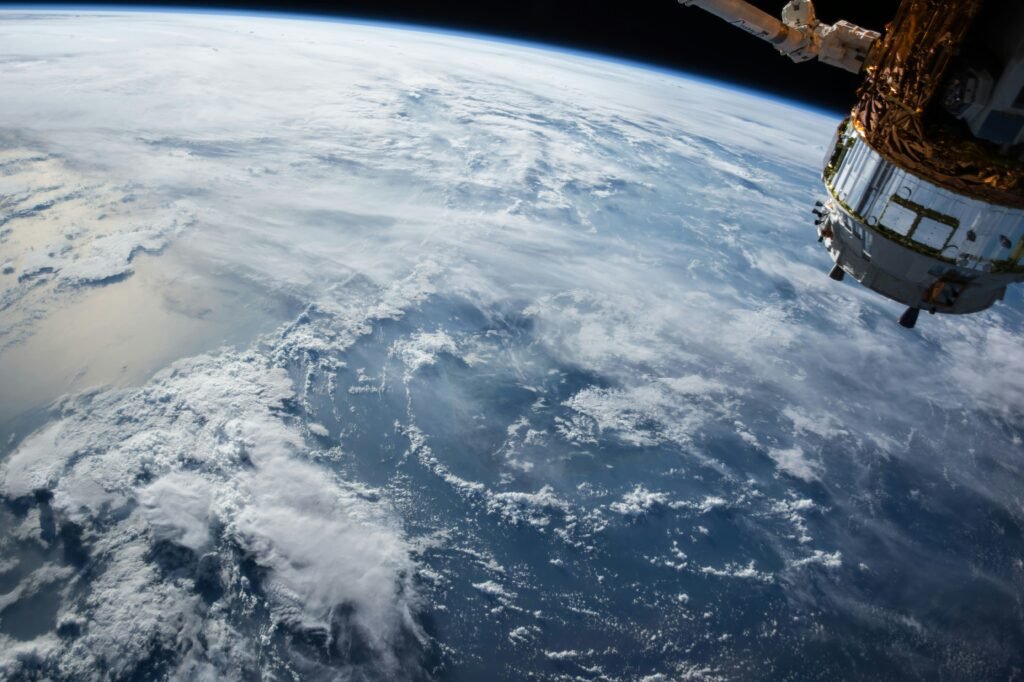
It is evident that intergalactic travel has been within reach for some time, prompting certain individuals to hold an optimistic view that space tourism will likely see noticeable strides in years to come. While there seem to be valid merits stemming from this projection, these largely fall into a hypothetical realm and therefore are superseded by practical constraints and overwhelming drawbacks.
Thriving interplanetary travel may, first and foremost, alleviate, to some degree, the mounting burden on existing terrestrial holiday destinations. Advocates of this vision posit that democratic space tourism will likely be viewed as a fundamental structural shift in the tourism industry, which can serve as a tourist magnet, ultimately contributing to the dispersion of foot traffic density across numerous tourist hotspots. Lowered tourist volumes would theoretically translate to reduced levels of environmental degradation and resource depletion, both of which are added bonuses of this envisioned reality. There is also an economic side to this space tourism boom. Proponents argue that the global tourism industry, as of now, has nearly reached saturation and has eventually become settled in a zero-sum game, in which tourism corporations wrestle for limited market shares. A new market for tourists, such as the Moon or Mars, can solve this agonising socio-economic dilemma, they think, paving the way for businesses to explore new revenue sources.
These aforementioned perks, however lucrative, are fundamentally theoretical in the face of practical logistical hurdles. Tourism, at its core, is often associated with varying levels of landscape destruction, ecosystem disruption, air pollution, resource depletion, and soil degradation; what has already happened on Earth can, therefore, occur in exactly the same way on other planets, despite different manifestations. There is no guarantee that other galactic entities will deserve respect, preservation, and thoughtful treatment, judging from what humans have already done to countless holiday destinations on Earth. To make matters worse, normalising space travel can do more harm than good. To qualify for space endeavours, individuals are required to attain surprisingly rigorous fitness levels and highly demanded competence in the use of space-related equipment, which can, in turn, necessitate cumbersome bureaucratic procedures. Bypassing those, by contrast, can engender far-reaching consequences, including permanent injuries, untimely death, and an aversion to space travel. As if this is not enough, space tourism can also widen wealth inequality, since only ultra-wealthy individuals are capable of such high-stakes pursuits, thereby hindering upward social mobility.
In conclusion, while I acknowledge the ostensible socio-economic benefits related to the theoretical reduction of the enormous traffic volumes and the potential opportunity to exploit new economic territories, these are largely hypothetical and therefore should evaporate on contact with daylight. Such merits are outweighed by the fact that space tourism does not eliminate human-induced destruction; it simply translates it from one place to another. Plus, any attempts to bypass safety protocols may result in catastrophic consequences. Lastly, jumping on this bandwagon can also widen the socio-economic gap, causing dissatisfaction within society at large.
Vocabulary
| intergalactic travel has been within reach | du hành liên hành tinh đã khả thi |
| see noticeable strides | đạt những bước tiến đáng kể |
| a hypothetical realm | phạm vi mang tính giả thuyết |
| practical constraints | các hạn chế thực tế |
| overwhelming drawbacks | những bất lợi lớn |
| the mounting burden | các chế độ quân chủ cổ đại |
| democratic space tourism | du lịch vũ trụ đại chúng |
| a fundamental structural shift | sự thay đổi mang tính cơ cấu |
| a tourist magnet | điểm thu hút khách du lịch |
| the dispersion of foot traffic density | sự phân tán mật độ khách tham quan |
| environmental degradation | suy thoái môi trường |
| resource depletion | cạn kiệt tài nguyên |
| an economic side | khía cạnh kinh tế |
| a zero-sum game | trò chơi có tổng bằng không |
| a new market for tourists | thị trường du lịch mới |
| agonising socio-economic dilemma | tình thế tiến thoái lưỡng nan về kinh tế-xã hội |
| paving the way for | mở đường cho |
| new revenue sources | nguồn doanh thu mới |
| practical logistical hurdles | trở ngại hậu cần thực tế |
| landscape destruction | sự tàn phá cảnh quan |
| ecosystem disruption | sự gián đoạn hệ sinh thái |
| normalising space travel | bình thường hóa việc du hành vũ trụ |
| engender far-reaching consequences | gây ra hậu quả sâu rộng |
| upward social mobility | khả năng thăng tiến xã hội |
| human-induced destruction | sự tàn phá do con người gây ra |