Some people think that it’s important to spend money on family celebrations (e.g. weddings, birthdays). But something expensive celebrations are a waste of money. Discuss and give opinions.
Sample Answer
Opinions on how families should organise celebrations remain divided. While some argue that such events are of paramount importance, others criticise them as unnecessary extravagance and a waste of money. This essay will examine both perspectives before presenting my own view.
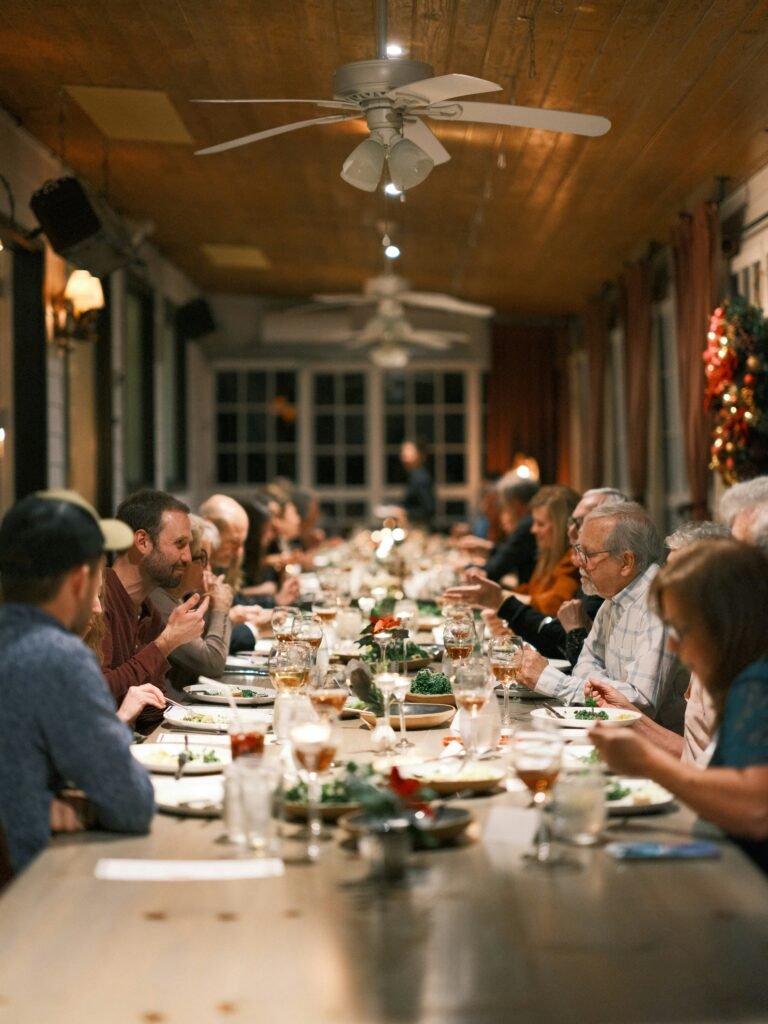
Supporters of spending on family celebrations highlight the emotional and social value these occasions bring. Events such as weddings, birthdays, or housewarmings are not merely gatherings; they serve as milestones that mark significant transitions in life. A wedding, for instance, symbolises the sacred union of two individuals, while a child’s first birthday often represents hope and continuity in many cultures. Beyond personal meaning, these celebrations foster togetherness, allowing relatives who live far apart to reunite. Such occasions strengthen family bonds and, by extension, contribute to community cohesion. The memories created during these events often endure for decades, providing psychological comfort and reinforcing a sense of belonging.
On the other hand, critics emphasise the financial burden of extravagant celebrations. While modest gatherings can be managed within a reasonable budget, lavish parties with excessive decorations, celebrity entertainment, or costly gifts may strain household finances. In some cases, families fall into debt after hosting weddings or large-scale events, jeopardising long-term financial stability. Opponents argue that when celebrations compromise essential expenses such as education, healthcare, or housing, they cease to be meaningful and instead become irresponsible displays of wealth. Thus, moderation and financial prudence are essential to prevent celebrations from turning into liabilities.
Having weighed both viewpoints, I believe family celebrations are valuable for the joy and unity they create, but they must be tailored to one’s financial capacity. A well-organised event does not need to be extravagant to be memorable; even simple gatherings can carry profound meaning if they reflect love and togetherness. Ultimately, the significance of these occasions lies not in the amount of money spent but in the sincerity of the celebration. Families should therefore strike a balance, ensuring that their commemorations enrich relationships without undermining financial security.
Vocabulary
| paramount importance | tầm quan trọng hàng đầu |
| unnecessary extravagance | sự xa hoa không cần thiết |
| waste of money | lãng phí tiền bạc |
| emotional and social value | giá trị tinh thần và xã hội |
| milestones that mark significant transitions | cột mốc đánh dấu sự chuyển đổi quan trọng |
| sacred union | sự kết hợp thiêng liêng |
| hope and continuity | hy vọng và sự tiếp nối |
| togetherness | sự gắn kết |
| reunite | đoàn tụ |
| strengthen family bonds | củng cố tình cảm gia đình |
| community cohesion | sự gắn kết cộng đồng |
| memories created | ký ức được tạo ra |
| endure for decades | tồn tại hàng thập kỷ |
| psychological comfort | sự an ủi tinh thần |
| sense of belonging | cảm giác thuộc về |
| financial burden | gánh nặng tài chính |
| modest gatherings | buổi tụ họp giản dị |
| excessive decorations | trang trí quá mức |
| strain household finances | làm căng thẳng tài chính gia đình |
| jeopardising long-term financial stability | gây nguy hiểm cho sự ổn định tài chính lâu dài |
| essential expenses | chi phí thiết yếu |
| irresponsible displays of wealth | sự phô trương giàu có vô trách nhiệm |
| moderation and financial prudence | sự điều độ và thận trọng tài chính |
| joy and unity | niềm vui và sự đoàn kết |
| financial capacity | khả năng tài chính |
| simple gatherings | buổi tụ họp đơn giản |
| profound meaning | ý nghĩa sâu sắc |
| sincerity of the celebration | sự chân thành của buổi lễ |
| financial security | sự an toàn tài chính |